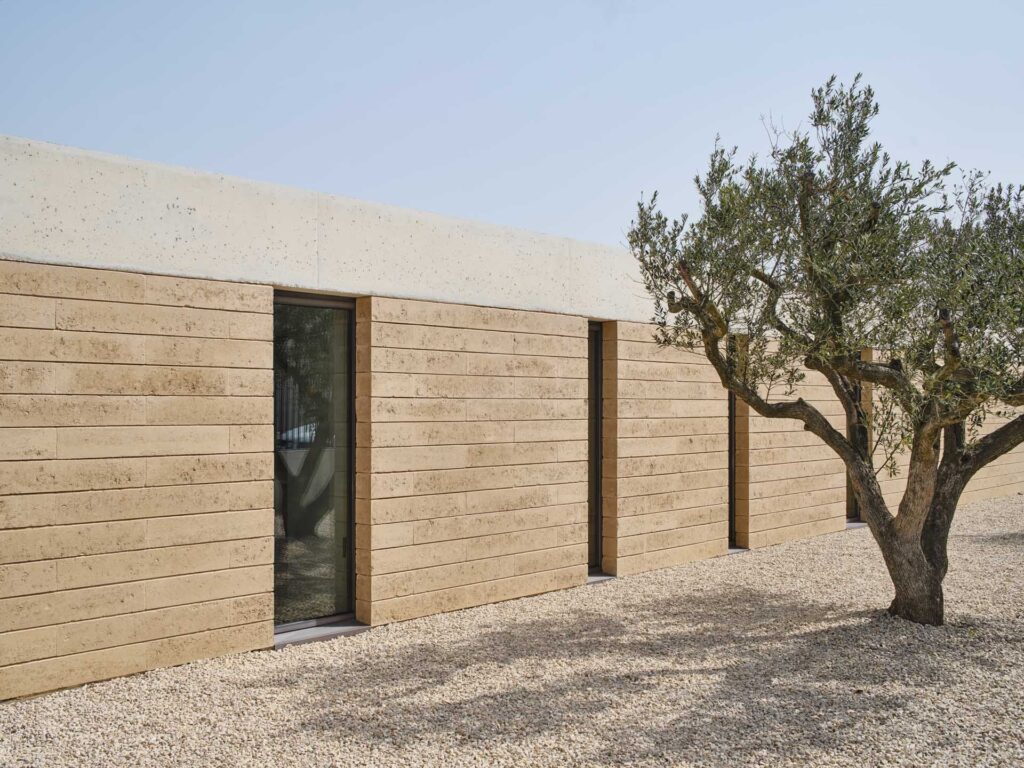
Fetdeterra – Unbaked Compressed Earth Blocks (CEB) & Rammed Earth Panels
Description
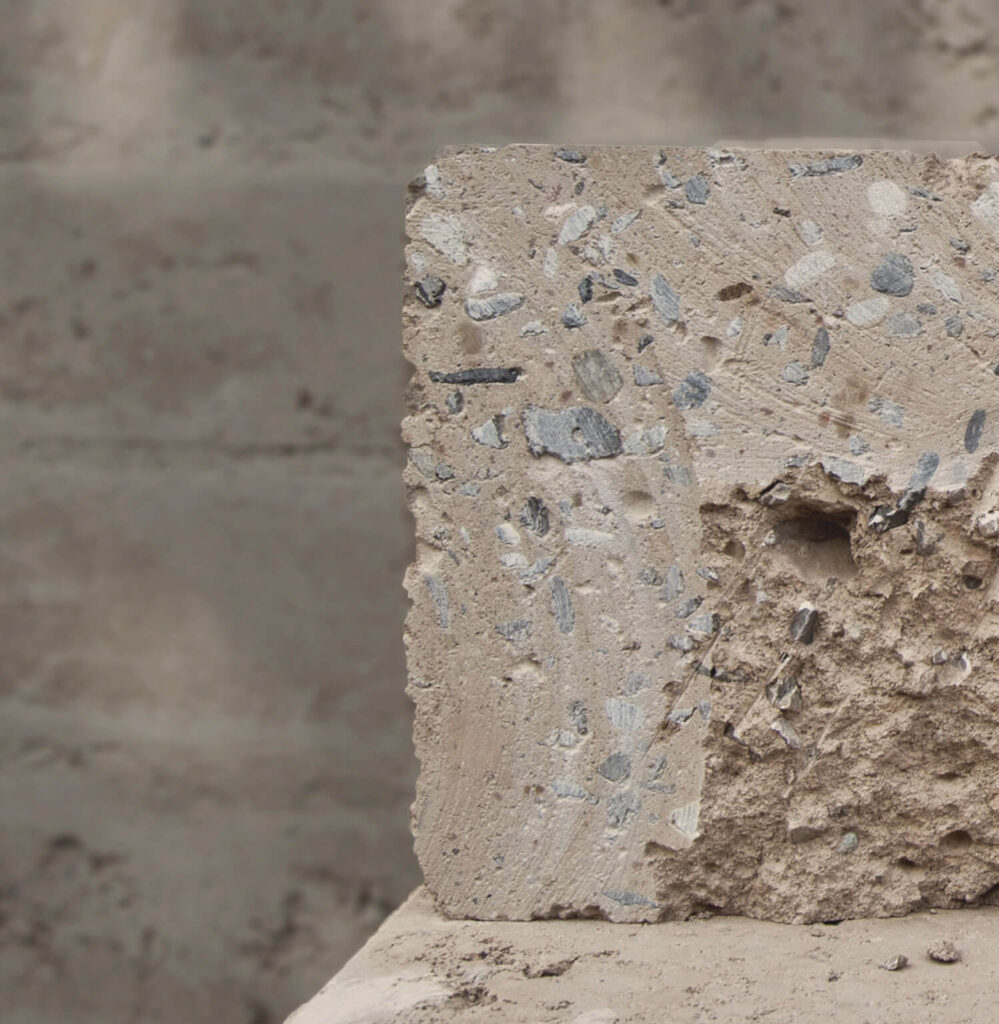
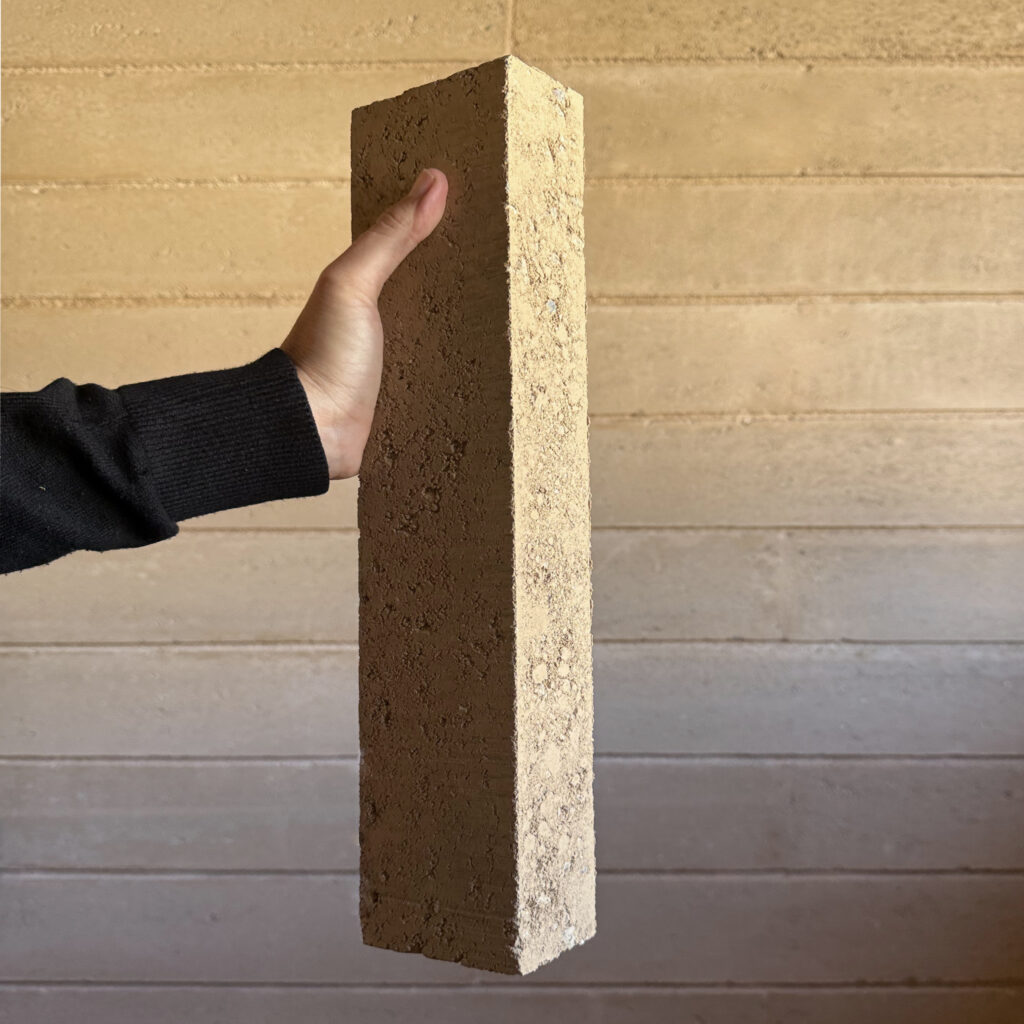
1. The Material: Fetdeterra manufactures high-density, unbaked masonry units and prefabricated rammed earth panels entirely from engineered soil (a precise mechanical mixture of clay, silt, sand, and gravel). By avoiding high-temperature firing and the addition of Portland cement, the material relies solely on the natural cohesion of clay particles under extreme mechanical compression. These raw earth blocks function as a massive thermal battery, absorbing excess heat during the day and releasing it at night (phase-shift). Additionally, the highly hygroscopic nature of raw clay ensures continuous indoor humidity regulation, maintaining relative humidity at an optimal 50-60%.
2. The Company & The Story: Based in Lleida, Catalonia (Spain), Fetdeterra is an engineering and eco-architecture firm dedicated to bringing ancestral “Tapial” (rammed earth) techniques into contemporary, industrialized B2B construction. They specialize in transforming locally excavated soils—often waste from construction sites—into standardized, load-bearing and non-load-bearing architectural elements. Their mission is to completely decouple masonry construction from the highly polluting, linear kiln-fired brick and concrete block industries.
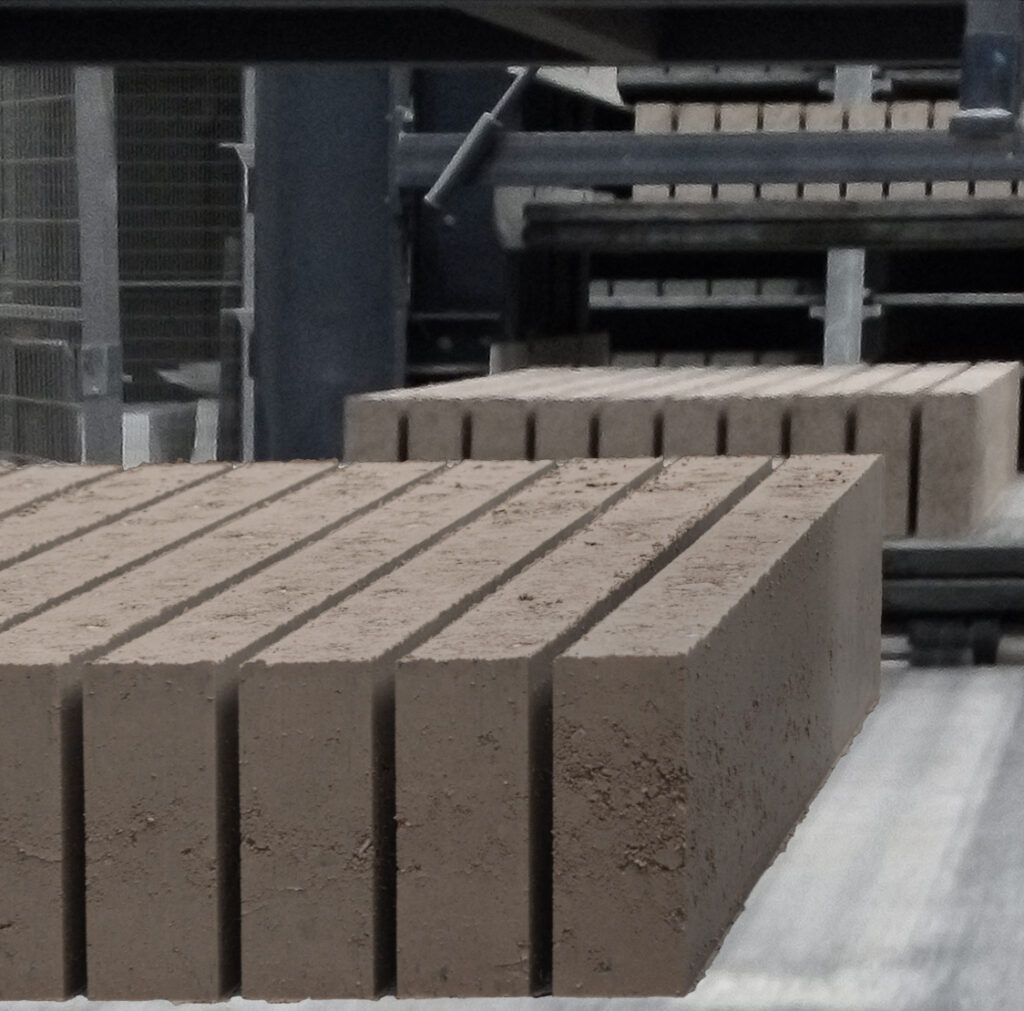
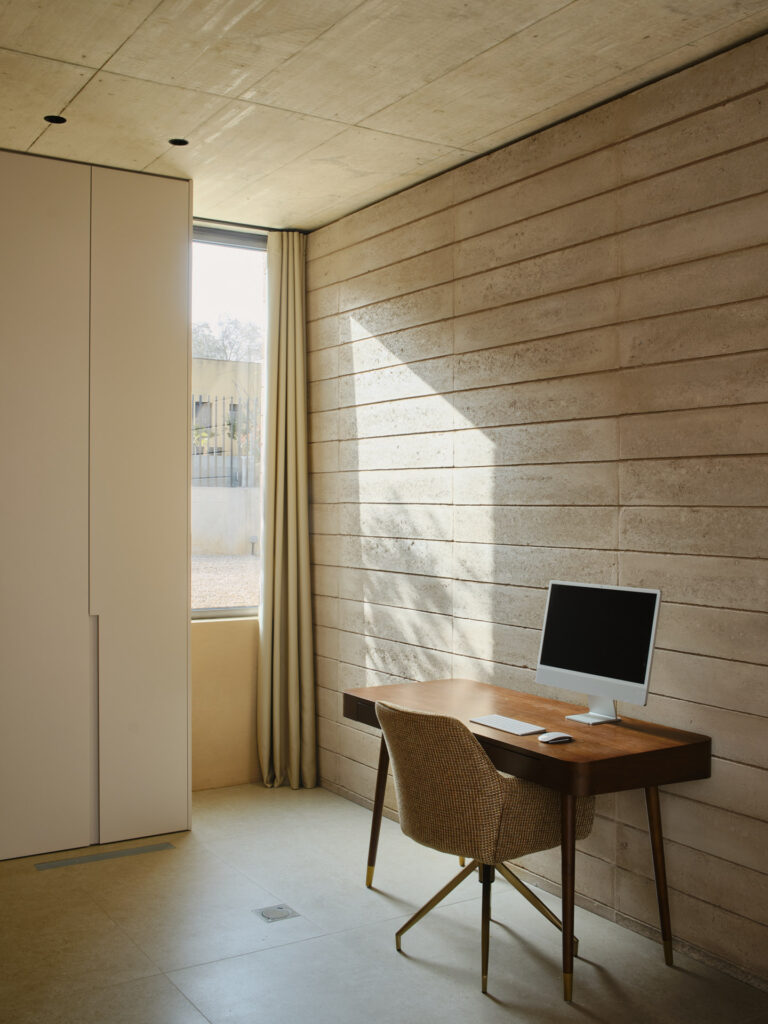
3. Technical & Commercial Summary: The product line includes Compressed Earth Blocks (CEB/BTC), prefabricated rammed earth walls, and raw earth mortars. Commercially supplied on pallets directly to job sites, these units are used for interior partition walls, acoustic separation, and high-thermal-mass building envelopes. Installation is executed using matching raw earth mortars, ensuring the entire wall system remains a single, fully reversible mineral composite.
4. Features:
-
Compressive Strength: Typically ranges between 2.0 – 5.0 Mpa (depending on the specific soil matrix and compaction force), suitable for non-load-bearing partitions and single-story load-bearing applications.
-
Embodied Carbon: Near zero. The manufacturing process requires only mechanical compression and ambient air drying, eliminating Scope 1 emissions from industrial kilns.
-
Thermal & Acoustic Inertia: High mass density (~ 1800 – 2000 kg/m3) provides exceptional acoustic attenuation and thermal phase-shift, drastically reducing HVAC loads.
-
Hygroscopicity: The unbaked clay matrix actively absorbs and desorbs water vapor, acting as a passive mechanical lung for the building.
-
End-of-Life Reversibility: Achieves ultimate circularity; the blocks and mortar can be completely dissolved in water and remolded into new materials without any loss of quality.
-
Commercial & Pricing Analysis: Fetdeterra blocks are priced at a premium compared to mass-produced, high-emission cinder blocks or fired clay bricks. However, for B2B developers, the ROI is realized through the elimination of interior synthetic finishing (drywall, paint), drastically reduced operational HVAC costs due to thermal mass, and the acquisition of maximum credits in LEED, WELL, and BREEAM certifications for using zero-waste, low-carbon, and highly localized materials.
Analysis & Certificates
Environmental & Bio-Technical Analysis: [Biolisty Auditor Note]: Fetdeterra proves that heavy masonry does not require clinker or kilns. By relying strictly on the natural binding properties of clay and precise mechanical compaction, they eliminate the staggering carbon emissions associated with cement and fired bricks. The fact that an entire wall can be deconstructed, soaked in water, and turned back into mud perfectly defines our "Water-Reversible" mandate.
Biolisty Status: Verified by Biolisty. 🟢
Technical Features
Location
Claim
Is this your business?
Claim listing is the best way to manage and protect your business.
Claim Now!Contact Listings Owner
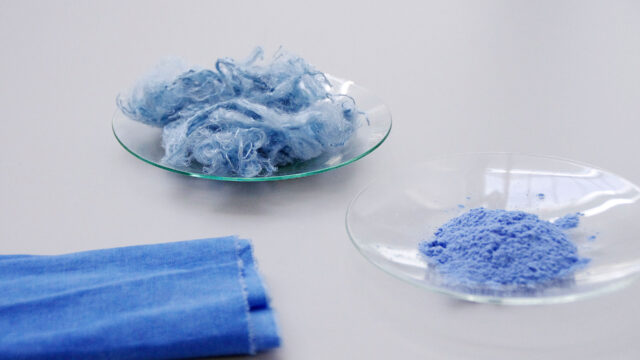
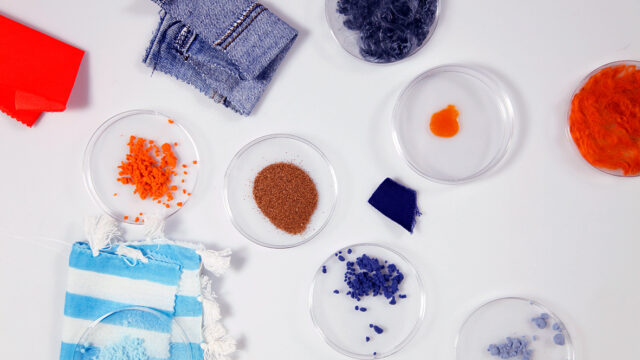
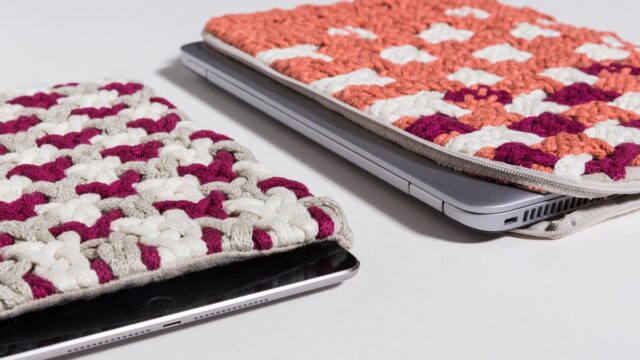

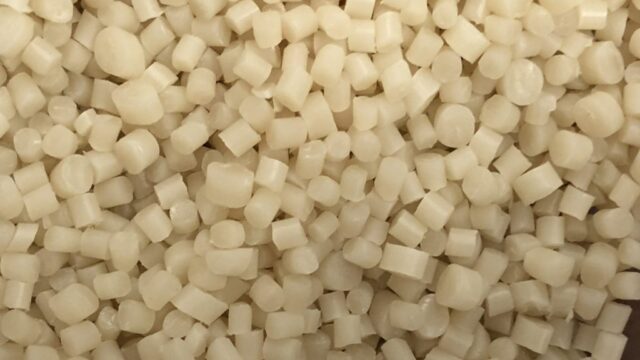

Mango Materials – YOPP™ Methane-Derived PHA Biopolymer Pellets & Fibers
- San Francisco Bay Area, California, Amerika Birleşik Devletleri
- info@mangomaterials.com
- www.mangomaterials.com