
Polybion – Celium™ Cultivated Bacterial Cellulose Bio-Textile
Description
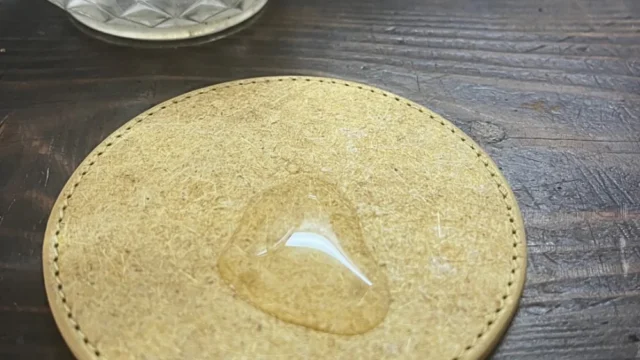
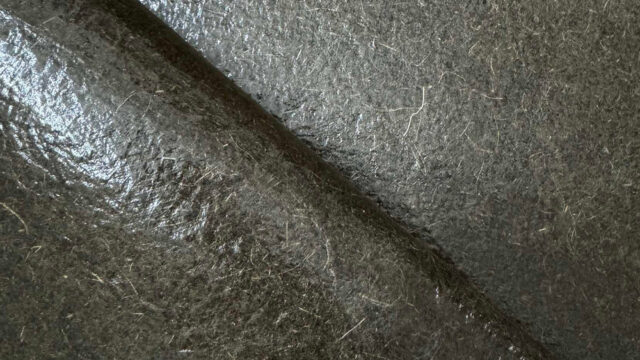
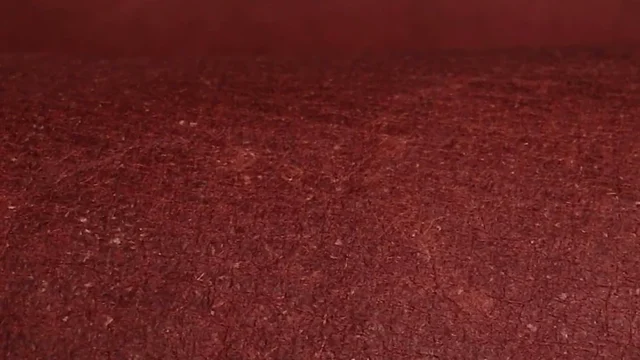
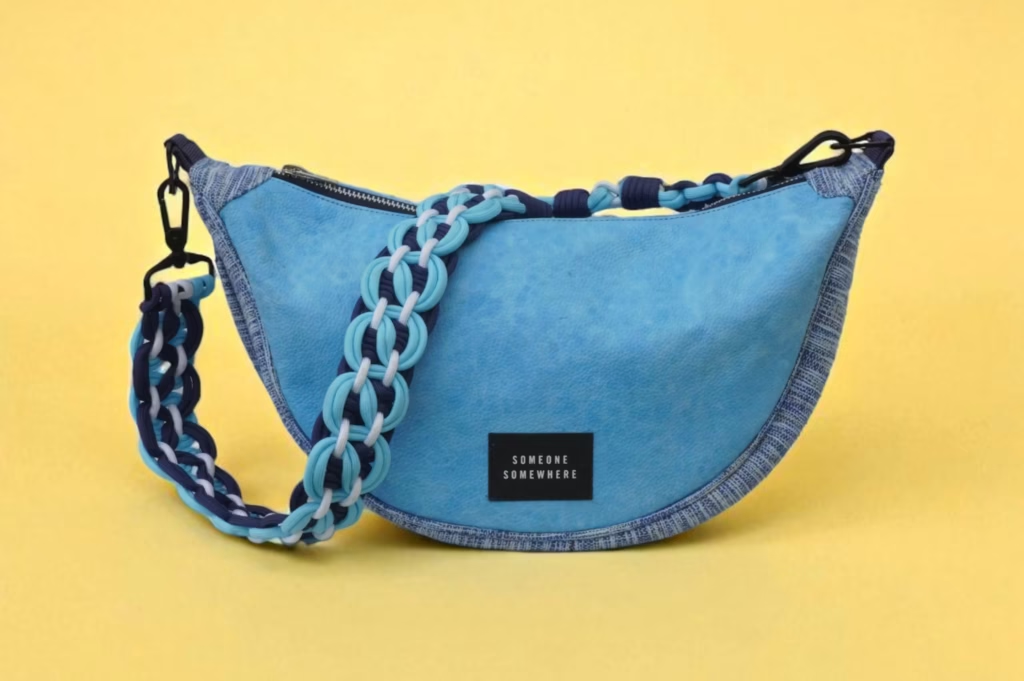
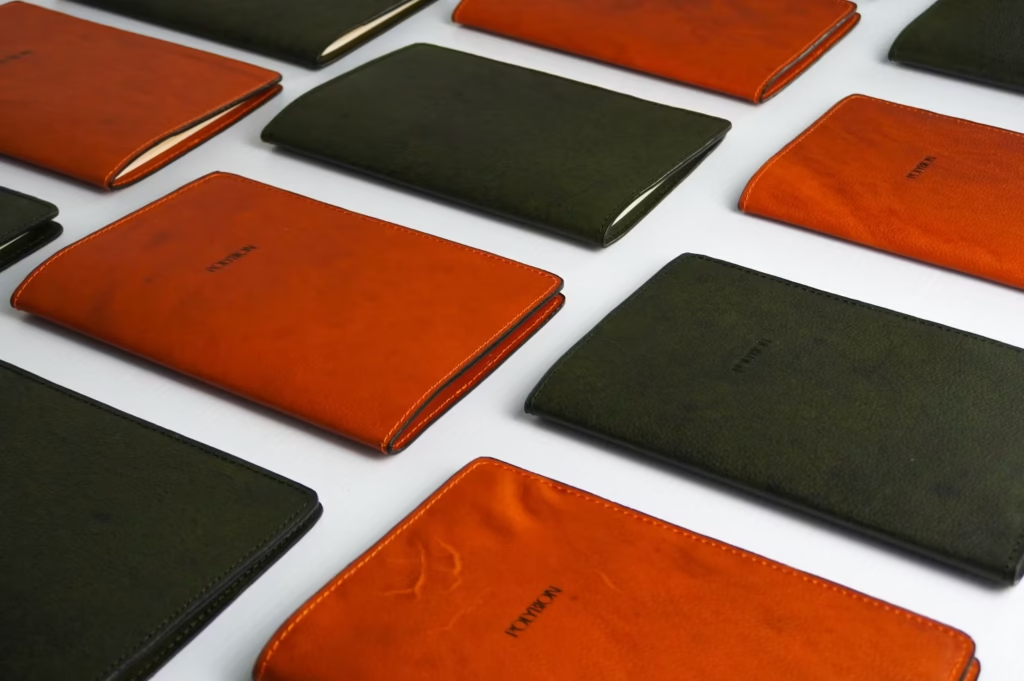
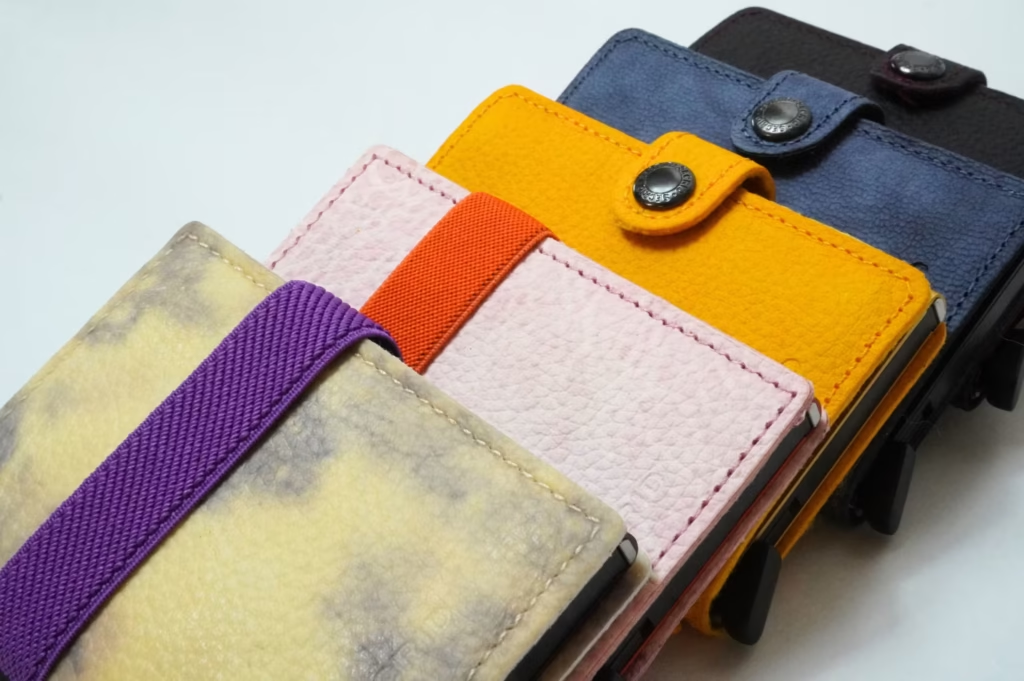
1. The Material: Celium™ is a premium, next-generation cultivated bio-textile composed of pure bacterial nanocellulose. Through a controlled fermentation process (cellular agriculture), specialized bacteria feed on agro-industrial fruit waste, metabolizing the glucose into an interwoven matrix of cellulose nanofibers. This biological origin creates a hydrogel that is subsequently stabilized (the bio-equivalent of tanning) using a proprietary, chromium-free green chemistry process. The resulting textile is highly resilient, vegan, and structurally mimics the mechanical properties of animal leather without the immense carbon and water footprint of livestock farming.
2. The Company & The Story: Founded by the Gómez Ortigoza brothers and based in Mexico, Polybion is a biotech startup operating FOAK I, the world’s first industrial-scale bacterial cellulose biomanufacturing facility. Operating entirely on solar power, the company utilizes highly localized agro-industrial waste (such as mango peels from Mexican food processing plants) to feed their bacterial cultures. Polybion’s mission is to transition the materials industry from linear resource extraction (petroleum mining and livestock farming) into a regenerative, circular bio-manufacturing model.
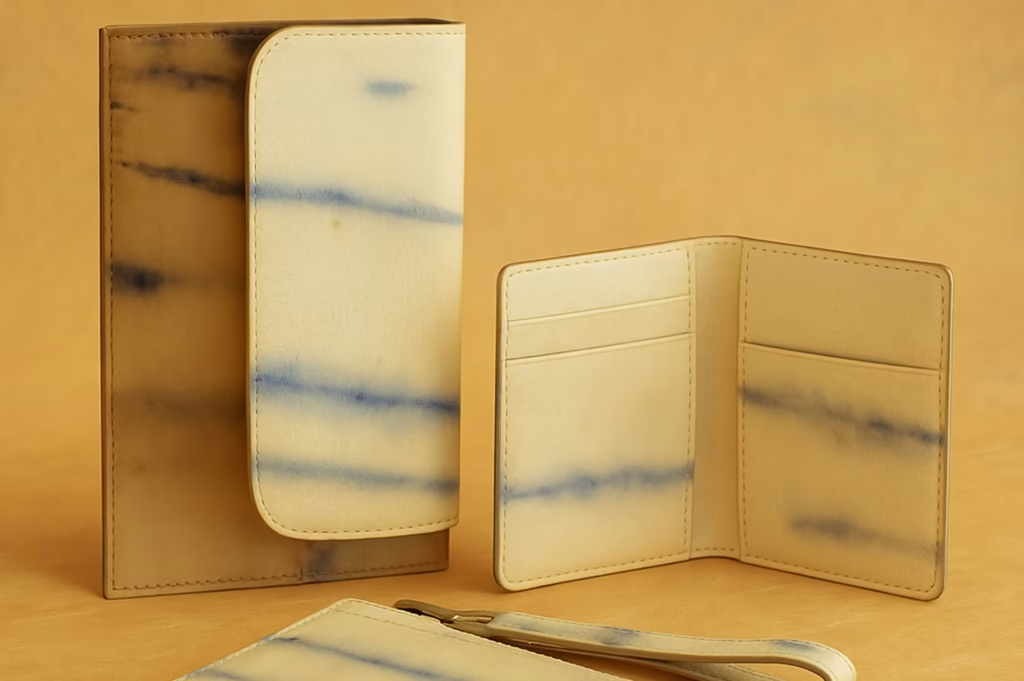
3. Technical & Commercial Summary: Commercially supplied in custom-grown sheets to B2B brands, Celium™ is targeted at high-end fashion, footwear, automotive interiors, and upholstery. Because it is grown in a controlled environment, its thickness, density, and structural parameters can be customized during the fermentation phase. It serves as a direct drop-in replacement for highly polluting synthetic leathers (PU/PVC) and chromium-tanned animal hides, offering a genuine biological alternative to the market.
4. Features
-
Nanocellulose Matrix: Fibers are significantly smaller and more tightly woven than plant-based cellulose (like cotton), resulting in high tensile strength and a premium, leather-like handfeel.
-
Zero Hazardous Tanning: The stabilization process is entirely chromium-free and strictly complies with REACH, EPA, and ZDHC (Zero Discharge of Hazardous Chemicals) guidelines.
-
Scope 3 Optimization: Utilizes existing agro-industrial fruit waste, completely eliminating land use, pesticides, and the massive water footprint associated with cotton or cattle farming.
-
Low Carbon Footprint: Production is localized within a 30-mile radius in a 100% solar-powered facility.
-
Commercial & Pricing Analysis: Celium™ is positioned as a premium, built-to-order bio-textile. While its current cost per square foot carries an innovation premium compared to subsidized fossil-derived PU leathers, the ROI for B2B brands lies in achieving absolute ESG compliance. Brands utilizing Celium can eliminate Scope 3 petrochemical emissions and market a genuinely circular, vegan product to a high-end, eco-conscious consumer base.
Analysis & Certificates
Environmental & Bio-Technical Analysis: [Biolisty Auditor Note]: Polybion demonstrates the absolute bleeding edge of bio-fabrication. By utilizing microbes to turn fruit waste into a nanocellulose matrix, they bypass the environmental destruction of both the livestock and petrochemical industries. The raw material is a masterpiece of biology and thermodynamics.
Biolisty Status: Verified by Biolisty. 🟢
Technical Features
Location
Claim
Is this your business?
Claim listing is the best way to manage and protect your business.
Claim Now!Contact Listings Owner






Mango Materials – YOPP™ Methane-Derived PHA Biopolymer Pellets & Fibers
- San Francisco Bay Area, California, Amerika Birleşik Devletleri
- info@mangomaterials.com
- www.mangomaterials.com